
The Smartest Dollar You Can Spend on an Indiana Home
Most NWI attics are insulated to 1980s code. Bringing yours to R-49 with proper air sealing and baffled ventilation cuts winter bills, kills ice dams, and makes upstairs bedrooms livable in August.
Northwest Indiana's Smart Choice for Attic Insulation
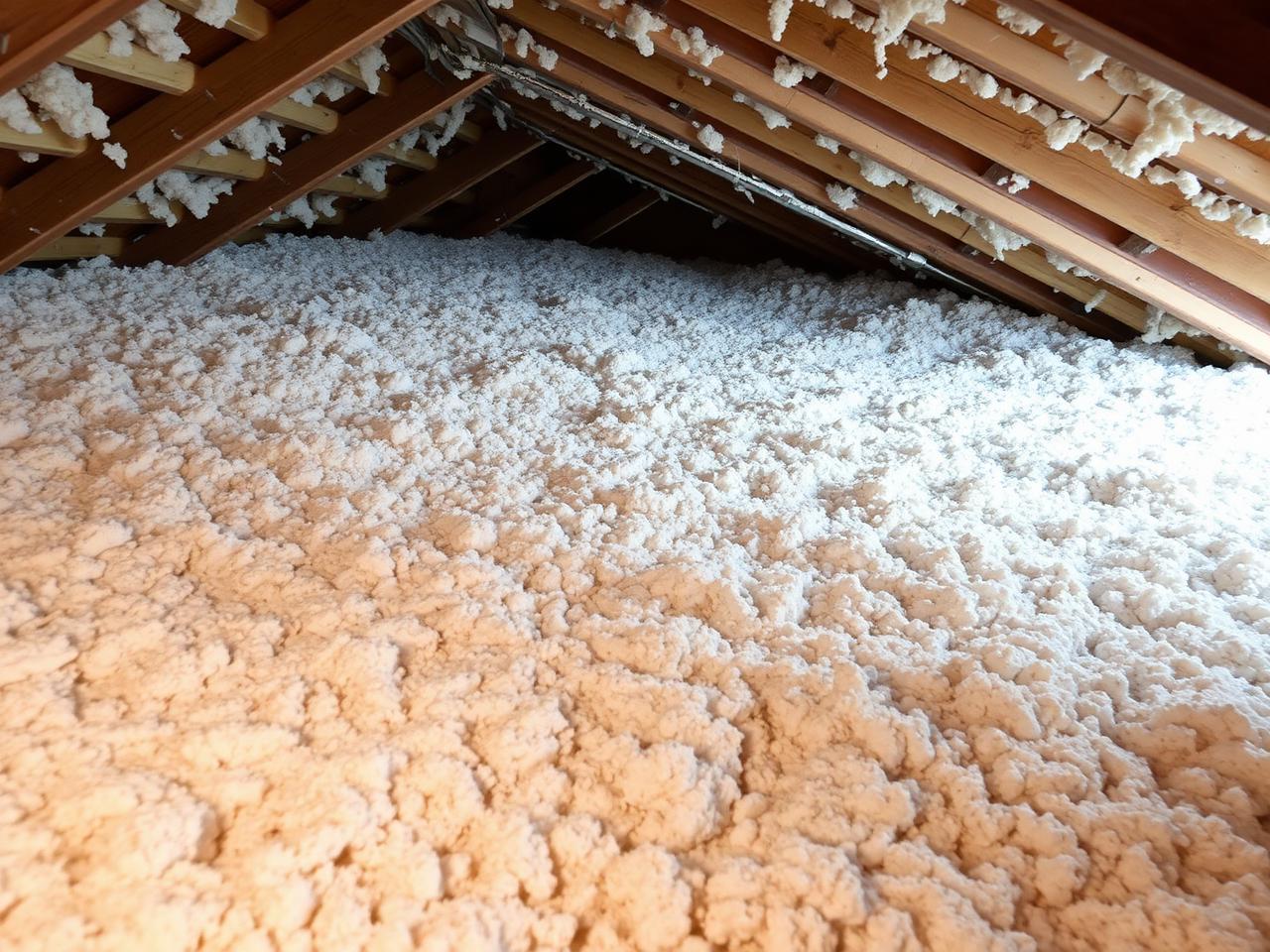
Northwest Indiana homes lose more energy through the attic than through any other surface. When we pull back the hatch on a 1970s Merrillville ranch or a 1990s Crown Point two-story, we typically find 6 to 9 inches of settled fiberglass — around R-19 to R-25 — against a current code recommendation of R-49. Heat escapes, the roof deck warms unevenly, snow melts, and the meltwater refreezes at the cold eave as an ice dam.
Our approach is order-of-operations, not just piling in more insulation. We air seal top plates, can lights, chases and the attic hatch first, install baffles so soffit vents stay open, verify exhaust fans vent outside, and only then blow in insulation to a measured, marked depth. You get a documented before-and-after R-value, not a guess.
What Makes Our Attic Insulation Work Different
Lower Bills Year-Round
Homeowners commonly see 15–25% reductions in heating and cooling costs after going from R-19 to R-49 with proper air sealing.
Ice Dam Prevention at the Source
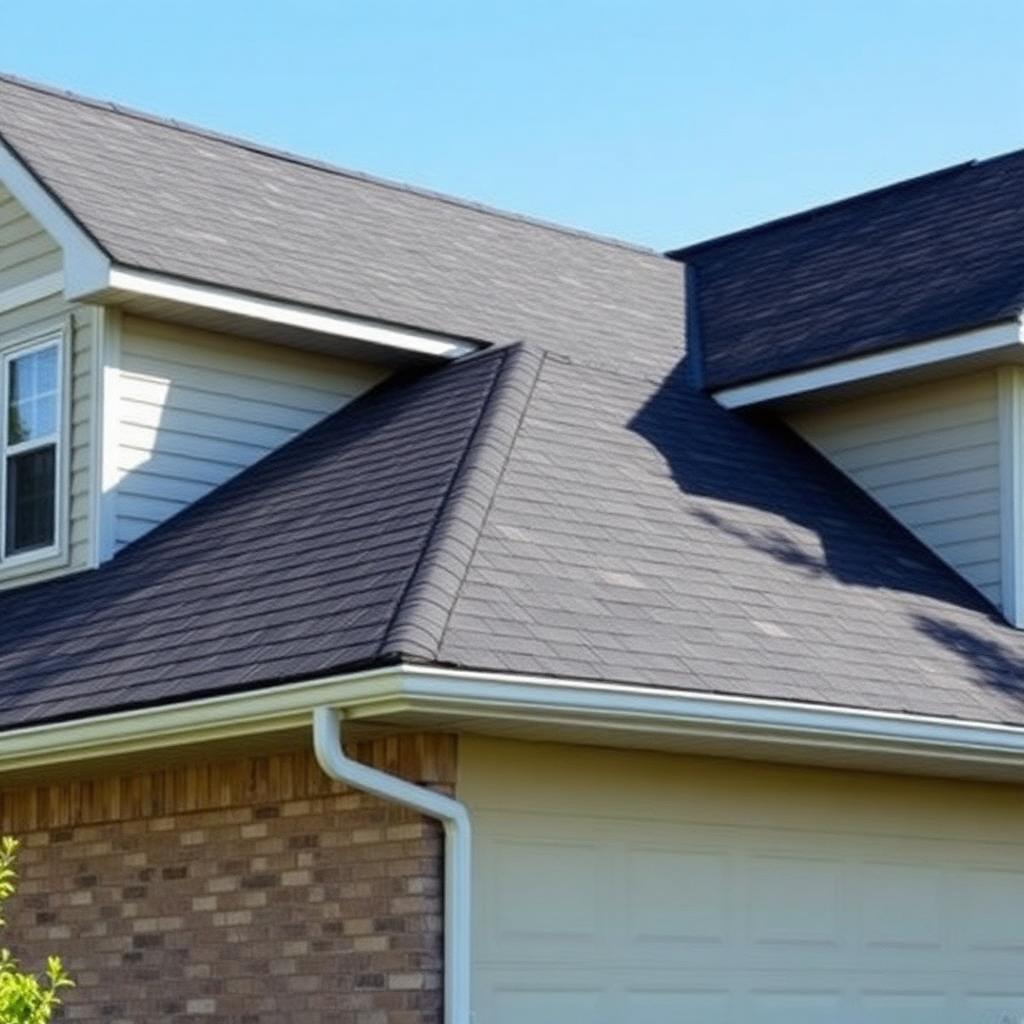
A cold, evenly ventilated attic is the real cure for ice dams. Insulation and airflow do what roof rakes and heat cables can only patch.
Comfortable Second Floors
No more freezing upstairs bedrooms in February or a bonus room that's unusable in July.
Documented Depth & R-Value
Depth rulers installed in the attic and photo documentation of coverage — you can verify what you paid for.
Attic Insulation Project Gallery
From Free Estimate to Final Walkthrough
We measure existing depth, check ventilation, look for moisture staining, and photograph the whole attic floor.
Foam and caulk at top plates, wire penetrations, chases and the hatch; fire-rated boxes around recessed lights; baffles at every soffit bay.
Cellulose or fiberglass blown to your target R-value, evenly distributed to the eaves, with depth markers set.
Final depth verification, photo record, hatch insulated and weatherstripped, and a spotless work path through your home.
Smart Materials, Honest Recommendations
We install what makes sense for your home and budget — never what pays the biggest commission. Here's what's on the menu for attic insulation.
Our standard NWI attic package — non-settling, moisture-tolerant, and the best value per R-point for open attic floors.
Dense, borate-treated recycled fiber with excellent air-blocking performance in older, leaky attic floors.
For cathedral ceilings, knee walls, and rim joists where there's no room for depth.
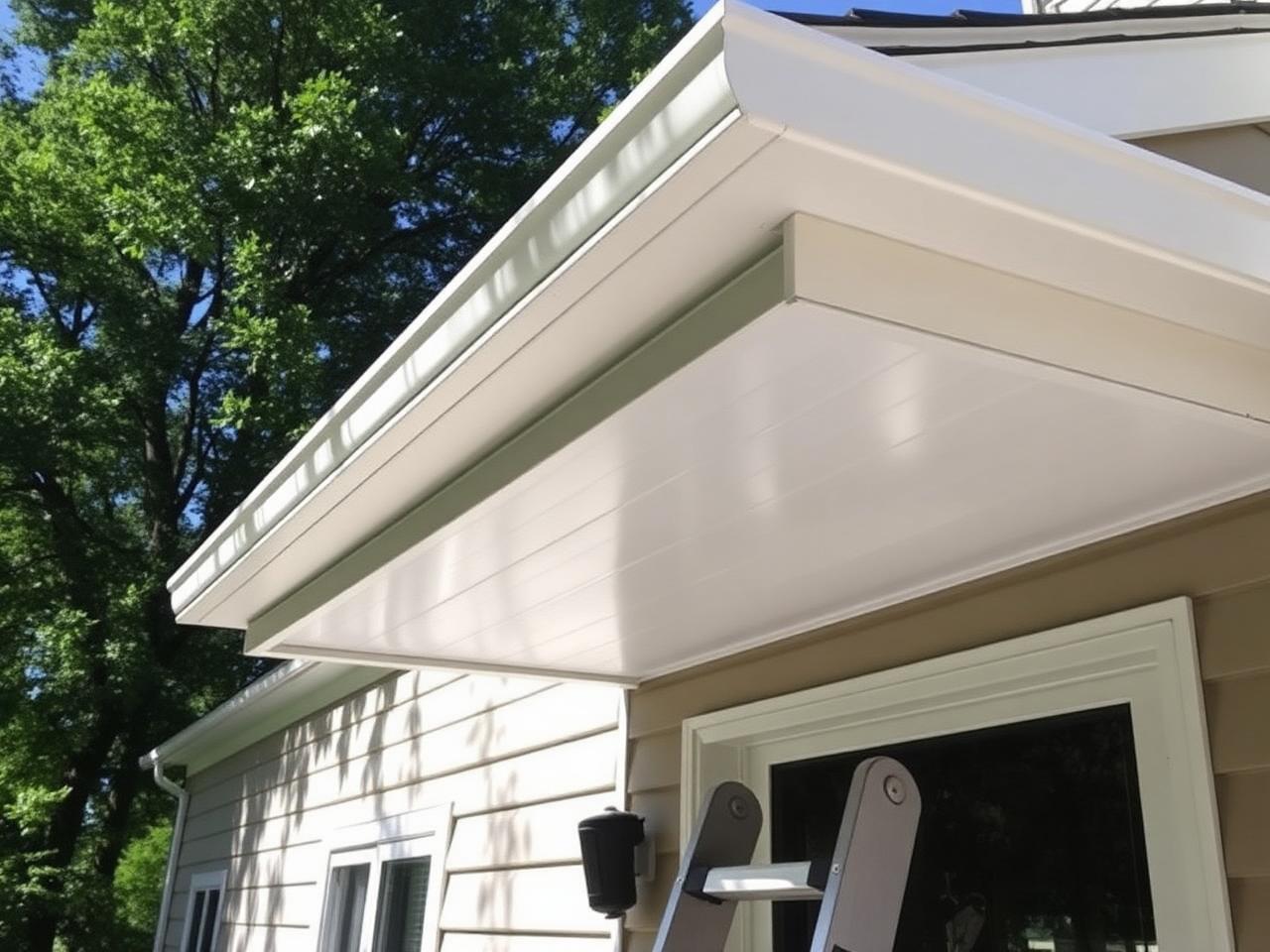
Soffit-to-ridge airflow with rafter baffles and proper intake/exhaust balance — insulation without ventilation causes mold.

Smart Answers For NWI Homeowners
+How much insulation should an Indiana attic have?
Department of Energy guidance for our climate zone is R-49 to R-60, roughly 16–20 inches of blown insulation. Most NWI homes we open up are at half that.
+What does attic insulation cost?
Most NWI attics run $1.75–$3.25 per square foot depending on existing conditions, air-sealing scope and target R-value. Utility rebates often apply.
+Do I have to remove the old insulation?
Usually no — we can top over sound existing insulation. We remove it when there's rodent contamination, mold, or fire/water damage.
+Will this really stop my ice dams?
Combined with air sealing and balanced ventilation, it's the most effective permanent fix. We assess all three on the estimate visit.
Get Your Attic Insulation Quote
Tell us about your project. A local NWI project manager will call you back within one business day.
How We Approach Attic Insulation In Your Town
Northwest Indiana isn't one market. Soils, wind exposure, housing stock, and permit rules change from town to town — and so does the way we build.
1960s–70s ranches here almost always test at R-19 or less; the upgrade pays back fastest in this housing stock.
Lake-effect snow load plus a warm attic equals chronic ice dams — this is our most requested ice-dam fix.
Newer two-stories usually need air sealing around can lights and HVAC chases more than raw depth.
Older homes with balloon framing need chase sealing before any insulation goes in, or you're just filtering air.